

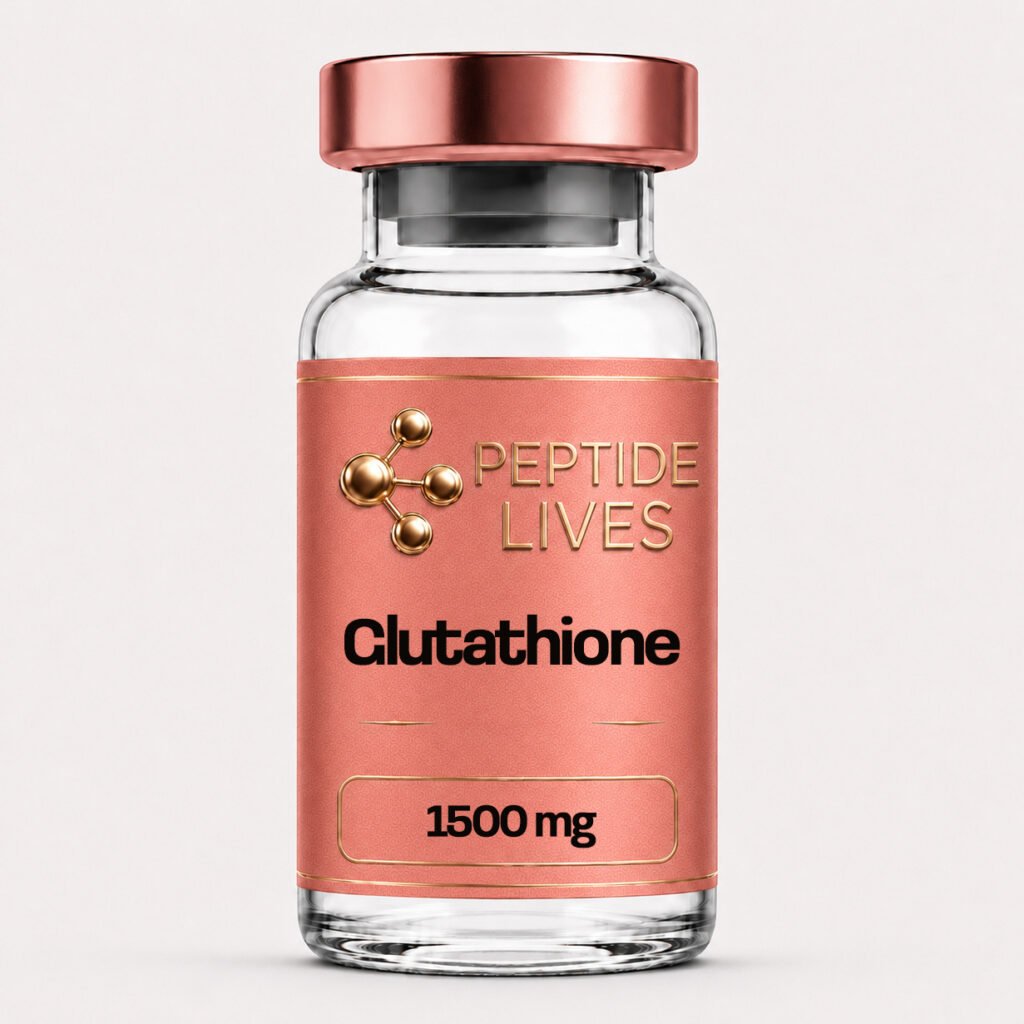
Description
Glutathione Technical Overview
Glutathione (GSH) is an endogenous tripeptide composed of glutamate, cysteine, and glycine. Its cysteine residue contains a thiol group involved in cellular redox reactions.
Glutathione participates in antioxidant defense, glutathione peroxidase activity, detoxification-associated conjugation reactions, and cellular redox homeostasis.
Laboratory research examines the relationship between reduced glutathione (GSH), oxidized glutathione (GSSG), and cellular responses to oxidative and metabolic stress.
Compound Specifications
| Property | Value |
|---|---|
| Compound Name | Reduced Glutathione |
| Alternative Names | GSH, L-Glutathione |
| CAS Number | 70-18-8 |
| Molecular Formula | C10H17N3O6S |
| Molecular Weight | 307.32 g/mol |
| Peptide Sequence | γ-Glu-Cys-Gly |
| Sequence Length | 3 amino acid residues |
| Classification | Endogenous redox-active tripeptide |
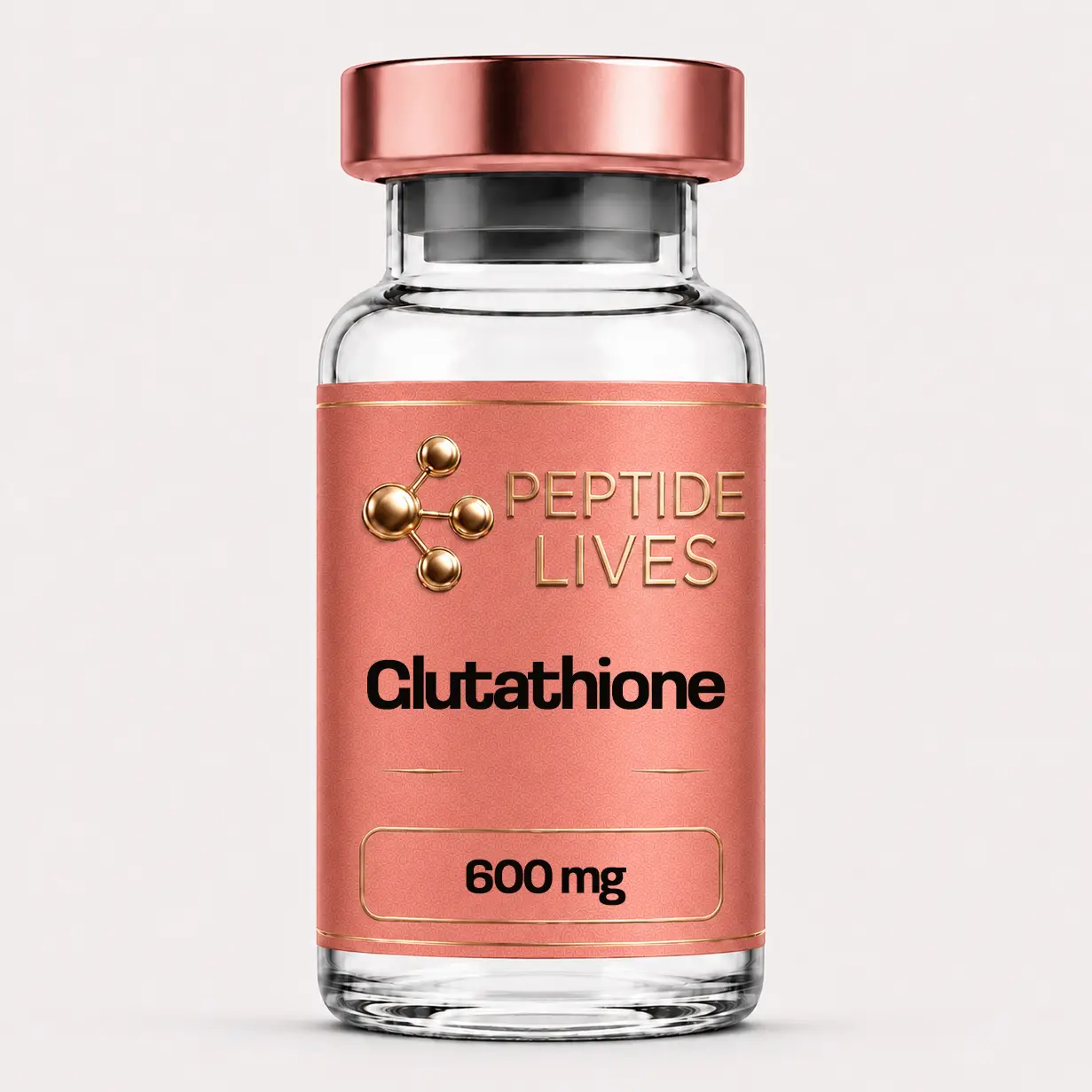
| Vial Content | 1500mg |
| Research Category | Cellular Redox Research |
Specifications describe reduced glutathione. Oxidized glutathione (GSSG) is a distinct chemical form.
Storage and Handling
- Follow manufacturer-provided storage conditions.
- Protect from moisture and unnecessary environmental exposure.
- Minimize oxidation during laboratory handling.
Lyophilized Format
Glutathione may be manufactured in lyophilized form. Stability depends on the preparation, oxidation state, and storage conditions.
Research Use Disclaimer
This preparation is described exclusively for laboratory research. It is not represented as an FDA-approved injectable drug and is not intended for human or veterinary administration.
Frequently Asked Questions
What Is Glutathione?
Glutathione is an endogenous tripeptide involved in cellular redox reactions.
What Is Its Molecular Weight?
Reduced glutathione has a molecular weight of approximately 307.32 g/mol.
What Is the Difference Between GSH and GSSG?
GSH is reduced glutathione; GSSG is its oxidized disulfide form.
What Research Areas Involve Glutathione?
Redox homeostasis, oxidative stress, glutathione-dependent enzymes, and conjugation pathways.
Is This Research Product FDA-Approved?
No approval is established for this specific preparation.
Research Overview
Glutathione is a major intracellular low-molecular-weight thiol involved in regulating cellular redox status.
GSH/GSSG Research
The ratio of reduced to oxidized glutathione is studied as an indicator of cellular redox conditions.
Glutathione Peroxidase Research
Glutathione participates in reactions catalyzed by glutathione peroxidases.
Conjugation Research
Glutathione S-transferases catalyze conjugation reactions involving glutathione and selected substrates.
Oxidative Stress Research
Researchers investigate glutathione metabolism during experimentally induced oxidative stress.
Research Applications
| Research Area | In Vitro Application |
|---|---|
| Redox Research | GSH/GSSG measurements |
| Enzyme Research | Glutathione peroxidase assays |
| Conjugation | Glutathione S-transferase studies |
| Cellular Stress | Oxidative response models |
References
- Forman HJ, Zhang H, Rinna A. (2009). Glutathione: Overview of Its Protective Roles, Measurement, and Biosynthesis. Molecular Aspects of Medicine. View publication.
- Lu SC. (2013). Glutathione Synthesis. Biochimica et Biophysica Acta. View publication.
Certificate of Analysis (COA)
Documentation should confirm glutathione identity, oxidation state, purity, and actual content.

Reviews
There are no reviews yet.