

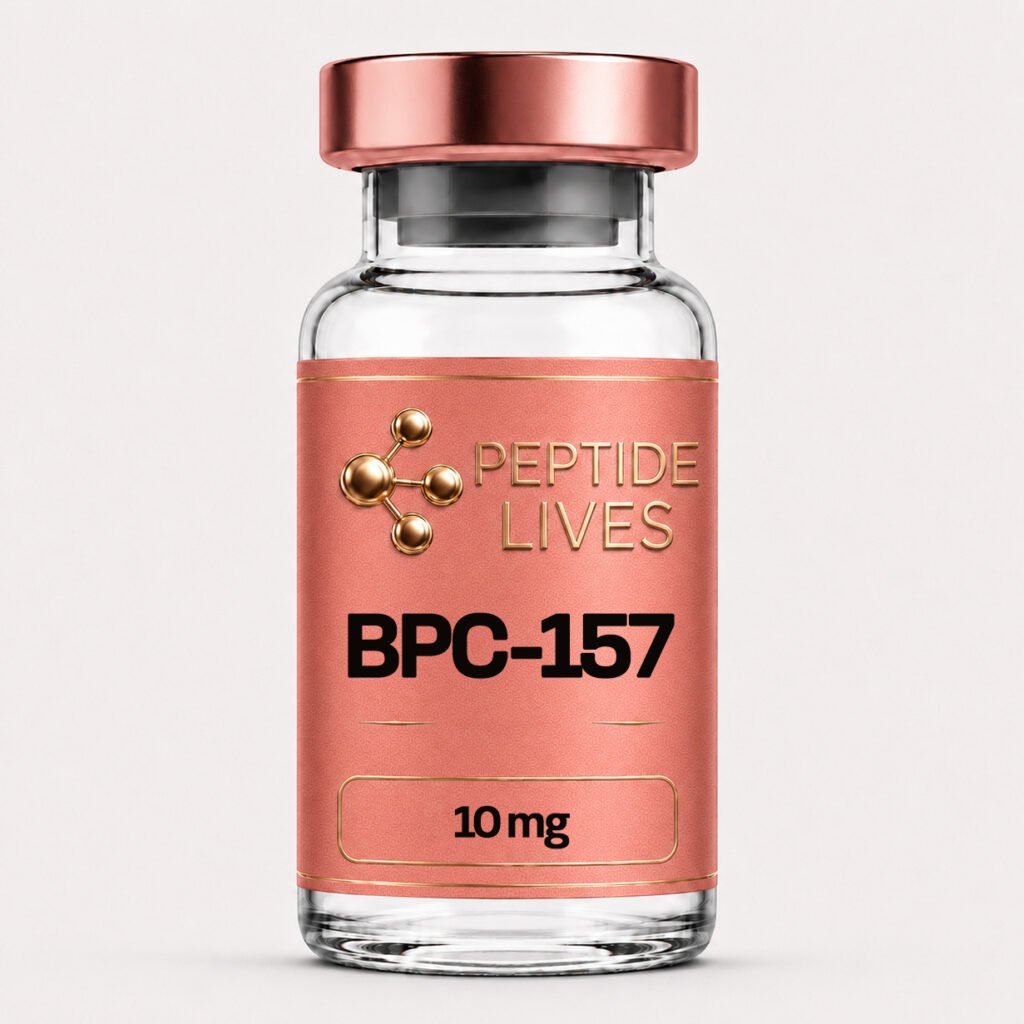
Description
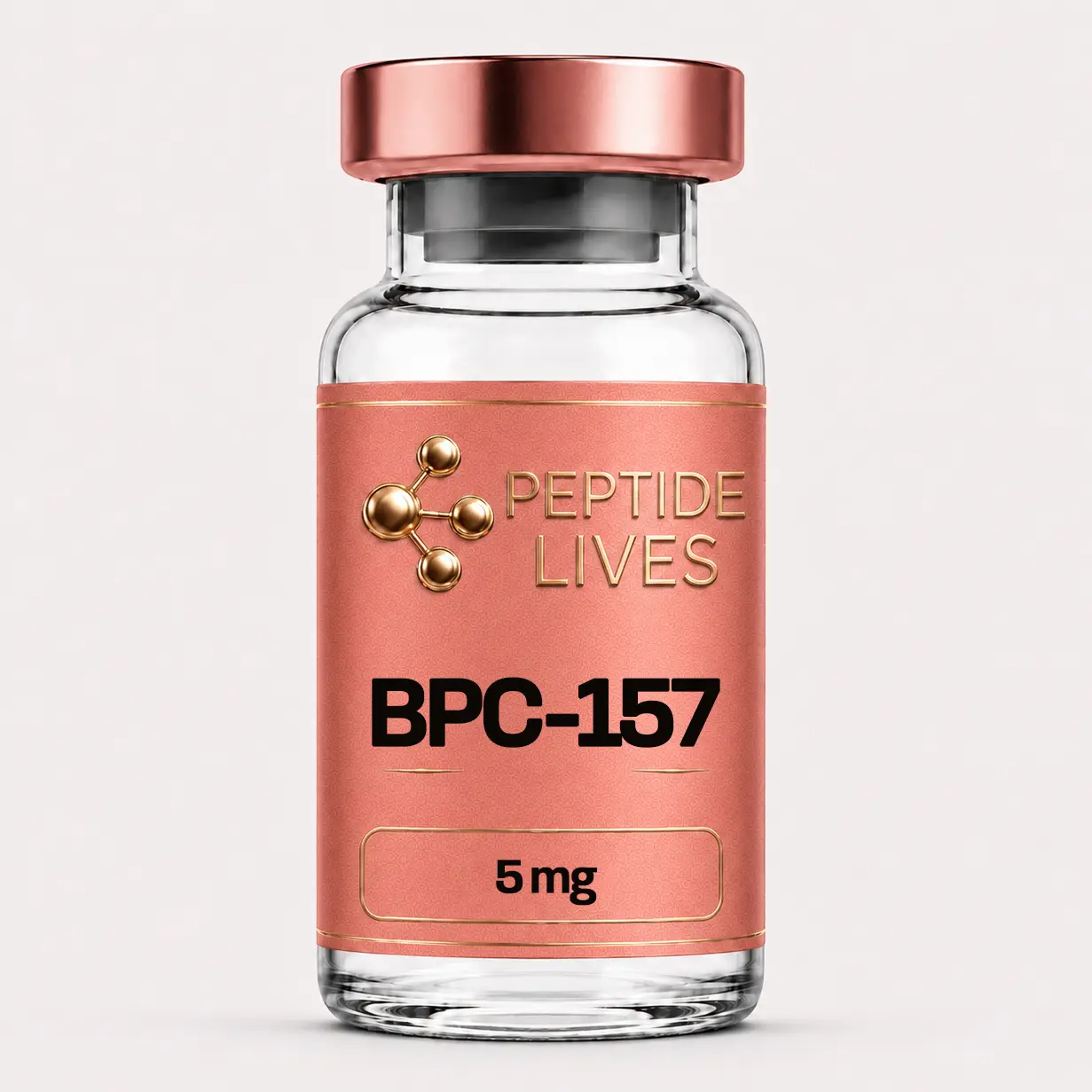
BPC-157 Technical Overview
BPC-157 is a synthetic pentadecapeptide containing 15 amino acid residues. It has been investigated primarily in experimental animal and cellular models involving tissue injury and cellular signaling.
Research has explored BPC-157-associated responses in gastrointestinal, tendon-related, and other preclinical injury models.
The compound is not an established human therapeutic agent, and animal findings do not demonstrate clinical safety or effectiveness.
Compound Specifications
| Property | Value |
|---|---|
| Compound Name | BPC-157 |
| Classification | Synthetic pentadecapeptide |
| Amino Acid Sequence | GEPPPGKPADDAGLV |
| Sequence Length | 15 residues |
| Research Category | Experimental Tissue Research |
| Vial Content | 10mg |
Storage and Handling
- Follow manufacturer-specific stability instructions.
- Protect from moisture, direct light, and contamination.
- Use suitable research peptide handling procedures.
Lyophilized Format
BPC-157 may be manufactured in lyophilized form. Physical characteristics depend on the formulation.
Research Use Disclaimer
BPC-157 is not FDA-approved for human therapeutic use and is not intended for human or veterinary administration.
Frequently Asked Questions
What Is BPC-157?
A synthetic 15-amino-acid peptide.
What Is Its Sequence?
GEPPPGKPADDAGLV.
What Research Areas Involve BPC-157?
Experimental injury models, cellular signaling, and gastrointestinal research.
Has BPC-157 Been Proven Effective in Humans?
No. Clinical effectiveness has not been established.
Research Overview
BPC-157 research has focused primarily on preclinical biological models.
Gastrointestinal Research
Experimental studies investigate tissue responses in gastrointestinal models.
Cellular Signaling
Research examines selected pathways associated with cellular responses.
Injury Models
Animal studies have evaluated tissue-associated findings.
Research Applications
| Research Area | In Vitro Application |
|---|---|
| Cellular Biology | Experimental signaling assays |
| Peptide Chemistry | Sequence characterization |
| Tissue Research | Preclinical cellular models |
References
Certificate of Analysis (COA)
Documentation should establish sequence, chemical identity, purity, and peptide content.

Reviews
There are no reviews yet.