
02/12/2026
GHK-Cu: An All-Around Peptide With Biological Potentials
GHK-Cu’s Biological Significance and Beyond
GHK-Cu supports extracellular and skin health by boosting hydration molecules, modulating enzymes, enhancing collagen production, and cultivating anti-inflammatory interactions. As an antioxidant, GHK-Cu stimulates enzymes such as SOD or superoxide dismutase, protects DNA processing, and decreases oxidative damage. Overall, it also encourages angiogenesis and promotes anti-aging pathways.
Dermal and Extracellular Matrix Support
GHK-Cu’s value in ex vivo skin models has shown to have an important impact on dermal remodeling dimensions: stimulation of collagen synthesis, enhancement of decorin and glycosaminoglycan production, as well as MMP modulation. These significant findings suggest that GHK-Cu may modulate the balance between matrix degradation and regeneration in cutaneous environments.
Anti-Inflammatory Effects
In preclinical inflammatory pathways, GHK-Cu illustrates anti-inflammatory properties via NF-κB pathway modulation, reduction in TNF-α, IL-6, and IL-1β, and marked suppression of COX-2 and PGE2. These serve as a track for researchers investigating anti-inflammatory agents in relevant models of oxidative or tissue injury.
Angiogenic Support
GHK-Cu has shown potential in stimulating endothelial cell proliferation and migration, the expression of VEGF (vascular endothelial growth factor), and capillary formation in in vitro and ex vivo assays. These advancements support further studies into GHK-Cu’s angiogenic interactions, most beneficially in ischemic or injury-based models.
Immunomodulation and Gene Regulation
Often, one of the most intriguing yet interesting aspects of GHK-Cu is its ability to modulate gene expression. Genomic profiling studies primarily reveal that it regulates an array of genes associated with antioxidant defense, anti-inflammatory responses, and tissue repair. Interestingly, it also further downregulates those linked to tissue degradation, apoptosis, and fibrosis.
Antioxidant and Cytoprotective Properties
GHK-Cu has been shown to boost antioxidant defense actions: upregulation of superoxide dismutase (SOD) and catalase, inhibition of lipid peroxidation and reactive oxygen species (ROS), as well as promotion of DNA repair and chromatin remodeling. These cytoprotective transactions are likely relevant in the study of oxidative stress-related conditions and aging activities at the cellular level.
Roles in Research
Due to its multifunctional nature, GHK-Cu is being actively explored in dermatology (skin barrier function, dermal regeneration, anti-aging), wound healing (re-epithelialization, granulation tissue formation), inflammation models (cytokine inhibition, immune modulation), oxidative stress (antioxidant assays, cellular senescence studies), angiogenesis research (capillary formation, endothelial activation), and fibrosis studies (ECM regulation, TGF-β signaling modulation).
Safety and Stability Considerations
In non-clinical studies, GHK-Cu has shown a favorable safety profile, with low cytotoxicity at physiologic concentrations. However, its labile biological activity has become significantly sensitive to oxidative degradation, chelating agents or heavy metal contamination, as well as pH and temperature variability. For reliable experimental results, proper storage protocols must be maintained and followed, including freezing, cold-chain management and light protection.
Frequently Asked Questions
What is the primary function of GHK-Cu in preclinical frameworks?
GHK-Cu asserts its purpose as a regulatory peptide with anti-inflammatory, antioxidant, and tissue-supportive traits. It is mainly utilized in models of wound healing, skin regeneration, and inflammation.
How does GHK-Cu interact with copper in the body?
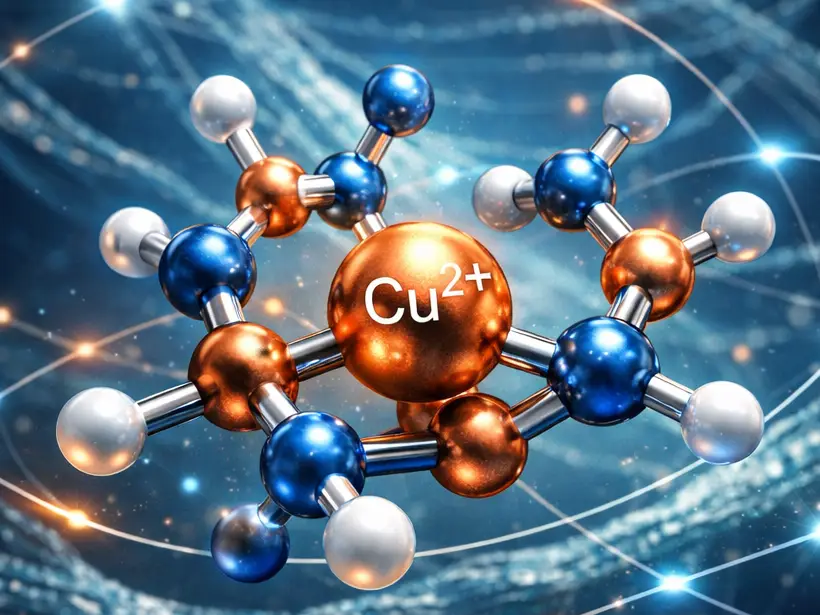
GHK binds copper (II) ions to design a biologically active complex, GHK-Cu, which can address biochemical and physiological pathways to modulate various cellular targets and functions through enzyme activation, gene regulation, and signaling pathway modulation.
Is GHK-Cu stable in solution?
GHK-Cu is relatively stable in buffered aqueous solutions but can degrade under extreme pH, heat, or light exposure. It is recommended to store it at 2–8°C and protect from light and oxidation.
Can GHK-Cu be combined with other peptides or compounds in research?
Yes, GHK-Cu is often studied in combination with other bioactive peptides, growth factors, or matrix components to evaluate synergistic effects in tissue engineering and regenerative biology.
Are there any known toxicities of GHK-Cu in research models?
At concentrations typically used in in vitro and preclinical research, GHK-Cu has demonstrated a low toxicity profile. Nonetheless, all experimental use should follow standard biosafety guidelines.
GHK-Cu: A Model Peptide for Modulating Repair and Cellular Resilience
GHK-Cu is a compelling peptide complex with diverse biological potentials in research settings. Its roles in dermal matrix support, inflammation modulation, oxidative stress reduction, and angiogenesis make it a subject of interest for scientists exploring regenerative and anti-degenerative mechanisms. Although further mechanistic and translational research is warranted, GHK-Cu offers a valuable tool for biomedical studies aimed at understanding tissue health and cellular repair pathways.
Citations
Dou, Y., Lee, A., Zhu, L., Morton, J., & Ladiges, W. (2020). The potential of GHK as an anti-aging peptide. Aging Pathobiology and Therapeutics, 2(1), 58–61. https://doi.org/10.31491/apt.2020.03.014
Author
Janelle A.